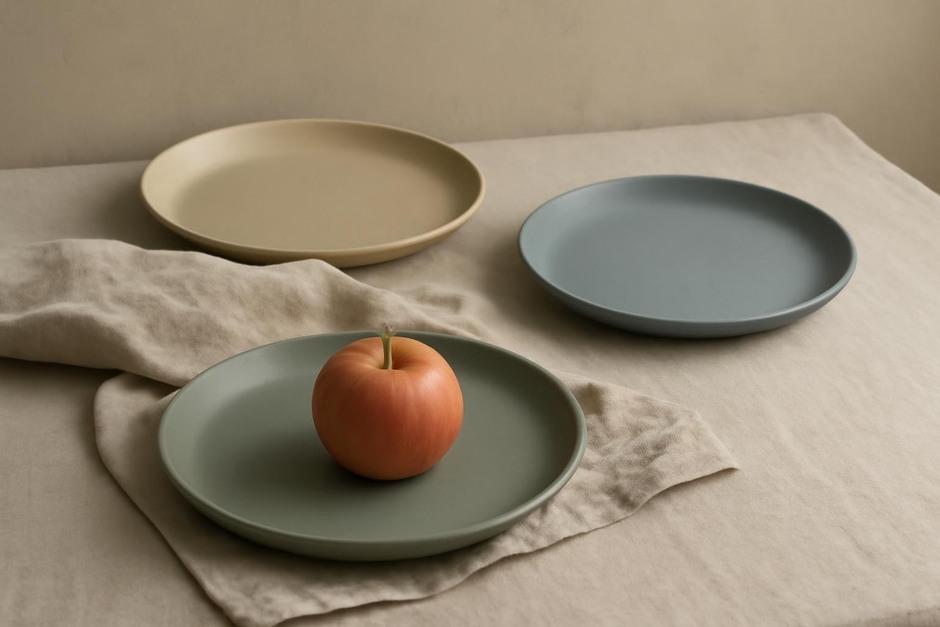
Measured Simplicity vs. Improvised Warmth: Two Ways to Set a Quiet Table
A practical comparison of two contrasting approaches to arranging a calm, inviting table—one ordered and deliberate, the other loose and responsive—with small examples and clear guidance on when to choose each.
Two approaches, one unhurried goal
Setting a table for a simple meal can be an act of care — for the food, for the people who will eat it, and for the mood you want to create. Two common, contrary ways of approaching that act are what I’ll call Measured Simplicity and Improvised Warmth. Both lead to pleasant, slow meals; they differ in intention, rhythm, and the small decisions you make. Below is a close look at each approach with everyday examples, then a short guide to help you choose which to use.
Measured Simplicity: deliberate, pared-back, calm
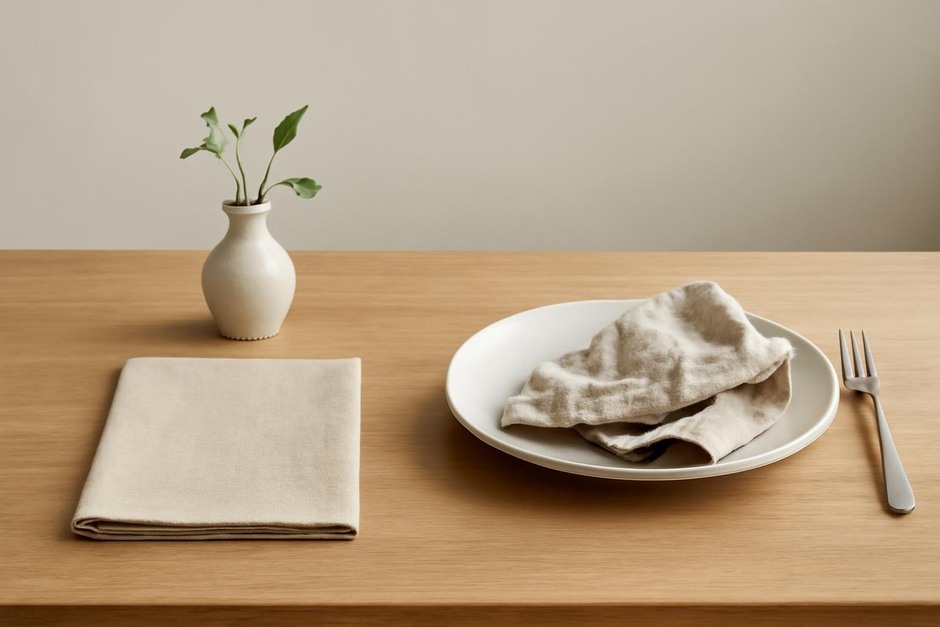
Measured Simplicity treats the table like a short list of considered choices. It favors restraint, symmetry, and a quiet color palette. The aim is clarity: each object has a reason for being there, and together they form a composed whole.
Principles
- Limit the palette: two or three neutrals or muted tones.
- Choose a subtle focal point: a single small vase, a folded linen napkin, or a neat stack of plates.
- Respect negative space: leave breathing room between objects and place settings.
- Consistency in materials: one metal finish for cutlery, similar ceramics, or matching glassware.
Small examples
- Breakfast for one: a white plate, a linen napkin folded into a rectangle, a single small cup of coffee set to the right. A sprig of rosemary in a tiny bottle acts as accent.
- Weeknight dinner for two: two matching plates on a plain runner, slim tumblers, a single bowl of roasted vegetables centered between them. Salt and pepper come in identical small pots.
- Afternoon tea: a neutral tray, a teapot and one cup, a small plate with two biscuits placed with space around them.
How it feels
Measured Simplicity offers a quiet, contemplative atmosphere. It’s well suited to mornings when you want the day to start with order, or to evenings when you prefer a calm, almost ritualistic meal. The approach slows you by encouraging intentionality in tiny choices.
Improvised Warmth: loose, layered, convivial
Improvised Warmth embraces a more spontaneous, layered approach. It leans on texture, mismatches, and the energy of things placed in response to the moment. The aim is intimacy: a table that feels made by hand and welcomes conversation.
Principles
- Mix and match: different plates, a variety of glasses, and a few contrasting napkins.
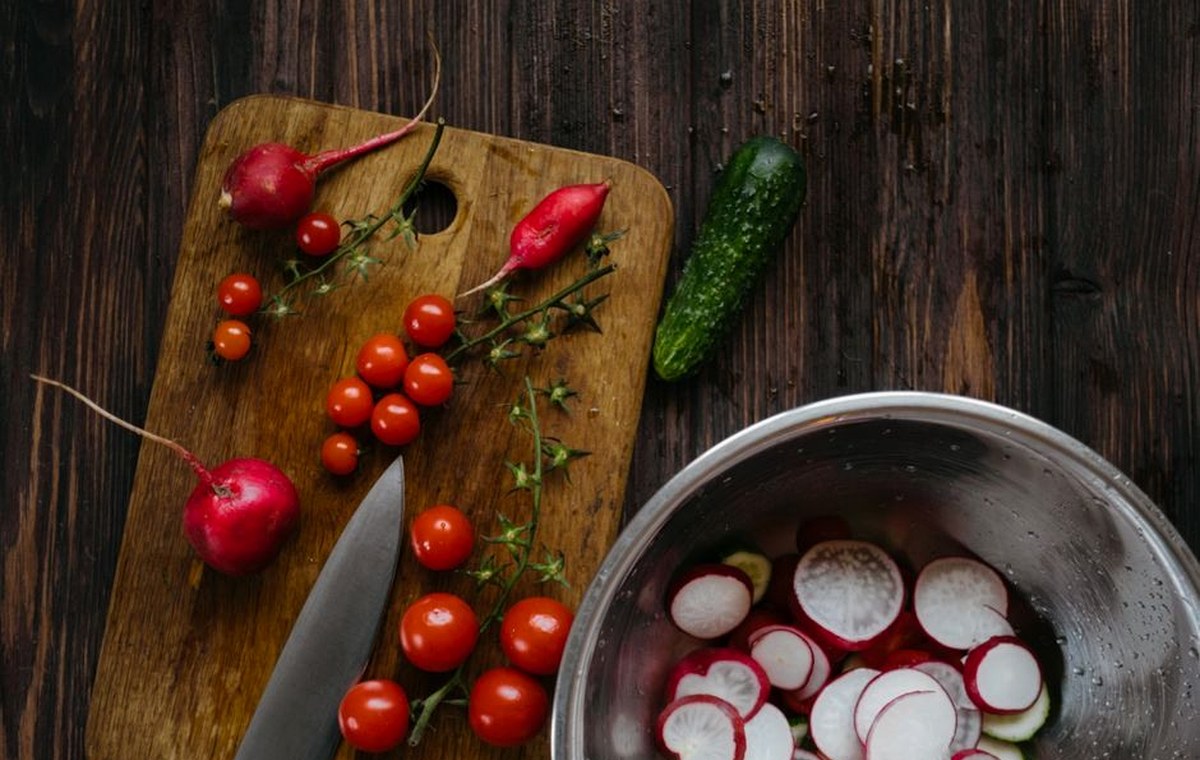
- Layer textures: a worn wooden board, a patterned cloth, a bowl with visible glaze marks.
- Group casually: cluster dishes and serving bowls so people help themselves.
- Allow the unexpected: a citrus fruit as a centerpiece, a mason jar of wildflowers, or a stack of mismatched mugs.
Small examples
- Lazy weekend brunch: assorted plates, a board of cheeses and fruit at one end, jam jars and a small pot of honey nestled beside ceramic bowls.
- Casual dinner with friends: a big salad bowl in the center, mismatched serving spoons, candles in different heights, and a scattering of napkins in various colors.
- Picnic-style supper: a rumpled tablecloth, tin cups, paper-wrapped baguettes lined up, and a jar of cut herbs used as both garnish and decoration.
How it feels
Improvised Warmth feels lived-in and immediate. It invites touch and sharing, and its small imperfections are part of the charm. This approach suits gatherings that prioritize conversation and ease over formality.
Choosing between them: practical guidance
Both approaches work well for slow meals; choose based on the situation, your energy, and the mood you want to set. Here are quick questions to help decide:
- How much time do you have? Measured Simplicity can be quicker if you keep a simple set of items ready. Improvised Warmth often benefits from gathering a few extra pieces and layering, which takes a little longer but can be done while food finishes cooking.
- Who are you feeding? For a solitary morning or a quiet two-person dinner, Measured Simplicity enhances focus. For social evenings or family meals where warmth and movement matter more than formality, choose Improvised Warmth.
- What’s the food like? Delicate, plated dishes shine on a simple table; family-style stews and shared boards pair well with a looser, layered layout.
- What mood are you aiming for? If you want calm and clarity, pick Measured Simplicity. If you want comfort and conviviality, lean into Improvised Warmth.
- How often will you repeat this type of meal? For daily routines, Measured Simplicity is sustainable. If you’re hosting irregularly, improvised arrangements can feel special and spontaneous.
Small compromise: you can mix the two. Center the table with a deliberately simple runner and one neat focal object, then add a few improvised elements — a mismatched bowl or a casually placed herb sprig — to soften the symmetry. The most useful rule is this: set the table in a way that makes eating together easier and more pleasurable. The rest is courtesy to the senses and to one another.
Whichever approach you choose, let the decisions be small and reversible. A quiet table grows from modest, thoughtful acts rather than grand gestures, and that makes it worth returning to again and again.